|
|
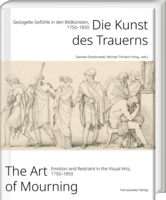
The Art of Mourning / Die Kunst des Trauerns
Gezügelte Gefühle in den Bildkünsten 1750–1850 / Emotion and Restraint in the Visual Arts, 1750–1850
| editor(s): | Dombrowski, Damian / Thimann, Michael |
| pages/dimensions: | 312 Seiten, zahlr. Abb. |
| language: | Englisch, Deutsch |
| binding: | Buch (Hardcover) |
| dimensions: | 21,00 × 26,00 cm |
| publishing date: | 16.12.2026 |
| prices: | ca. 75,00 Eur[D] / 77,10 Eur[A] |
| ISBN: | 978-3-447-12616-8 |
|
more titles of the subject:
Ab etwa 1750 sind Trauermotive und -stimmungen in allen künstlerischen Gattungen unübersehbar. Trauern wird in der ‚Sattelzeit‘ erstmals als existenzielles Bildthema isoliert. Doch warum wird der Wunsch nach Bildern schmerzhaften Verlusts ausgerechnet in der Aufklärungsepoche so stark, die wie keine vor ihr von Fortschrittsoptimismus getragen war? Die Beiträge dieses Bandes leiten von der Kunstgeschichte des 18. und 19. Jahrhunderts über zu fundamentalen anthropologischen Fragen.
From around 1750, motifs and moods of mourning became unmistakably present across all artistic genres. During the transitional period between the early modern and modern eras, mourning emerged for the first time as an autonomous existential subject in visual culture. But why did the desire for images of painful loss become so pronounced precisely during the Enlightenment ‒ an age characterized by an unprecedented optimism about progress? Starting from the art history of the eighteenth and nineteenth centuries, the contributions to this volume open onto fundamental anthropological questions.
|