      |
|
|
|
|
|
|
|
|
more titles of the subject:
Download:
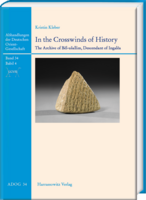
Volume 4 of the Babil-series contains the complete edition of the archive of Bēl-ušallim, descendant of Ingalēa, also known as N11 or the “Barber’s Archive”. The Koldewey expedition in Babylon discovered these 49 texts in January 1909. The tablets had been carefully packed in chaff, and placed in two clay jars, which had apparently been buried intentionally in order to recover them later. It is an exceptional collection of texts, as it represents a complete, intentionally created deposit.
The approximately 140 years covered by this family and business archive coincide with one of the most turbulent phases of Babylonian history during the first millennium. The earliest text from the reign of Erība-Marduk originates from the first half of the 8th century. The following generations of the family lived through the dynastic transitions from Chaldean to Neo-Assyrian rule and witnessed the violent military conquest of the city under the reign of Sennacherib. Bēl-ušallim himself grew up during the most difficult years following the destruction of Babylon, and toward the end of his life, he buried the tablets sometime after Nisān in the 20th year of Kandalānu (March/April 828 BC), when violence again engulfed the city at the dawn of Nabopolassar’s rise to power. The family’s history is closely intertwined with political history, and – given the timing of their fall from power – is itself witness to a turning of the political tide. |